01
AI automation
Map a repeated task, connect the right data and tools, and add AI only where it improves speed or consistency. Important decisions and uncertain cases keep a named human owner.
Explore AI automationHonest Abe Marketing plans, builds, and operates search-ready websites, reviewable AI workflows, and focused software for small businesses. Every build starts with the job it needs to do.
Strategy, content, design, and code
Focused workflows with human review
Purpose-built software for a real job
Search, data, reporting, and iteration
A useful website, automation, or internal tool has to fit the way the business attracts attention, handles information, and makes decisions after launch.
Map a repeated task, connect the right data and tools, and add AI only where it improves speed or consistency. Important decisions and uncertain cases keep a named human owner.
Explore AI automationPlan, write, design, and build a site around the questions customers ask and the pages a business can realistically maintain. Search structure and measurement are part of the build.
Explore website creationTurn a spreadsheet, manual lookup, repeated calculation, or awkward handoff into focused software that fits the work instead of forcing the work into another generic platform.
Explore custom toolsThe first decision is what should change for the customer or operator—not which platform is fashionable.
Useful page structure, clear language, technical foundations, and discoverability belong in the original plan.
A build should remain understandable when content changes, an integration fails, or a new person takes over.
These are live products we built and operate. Their public interfaces, content, data, and maintenance history can be inspected directly.
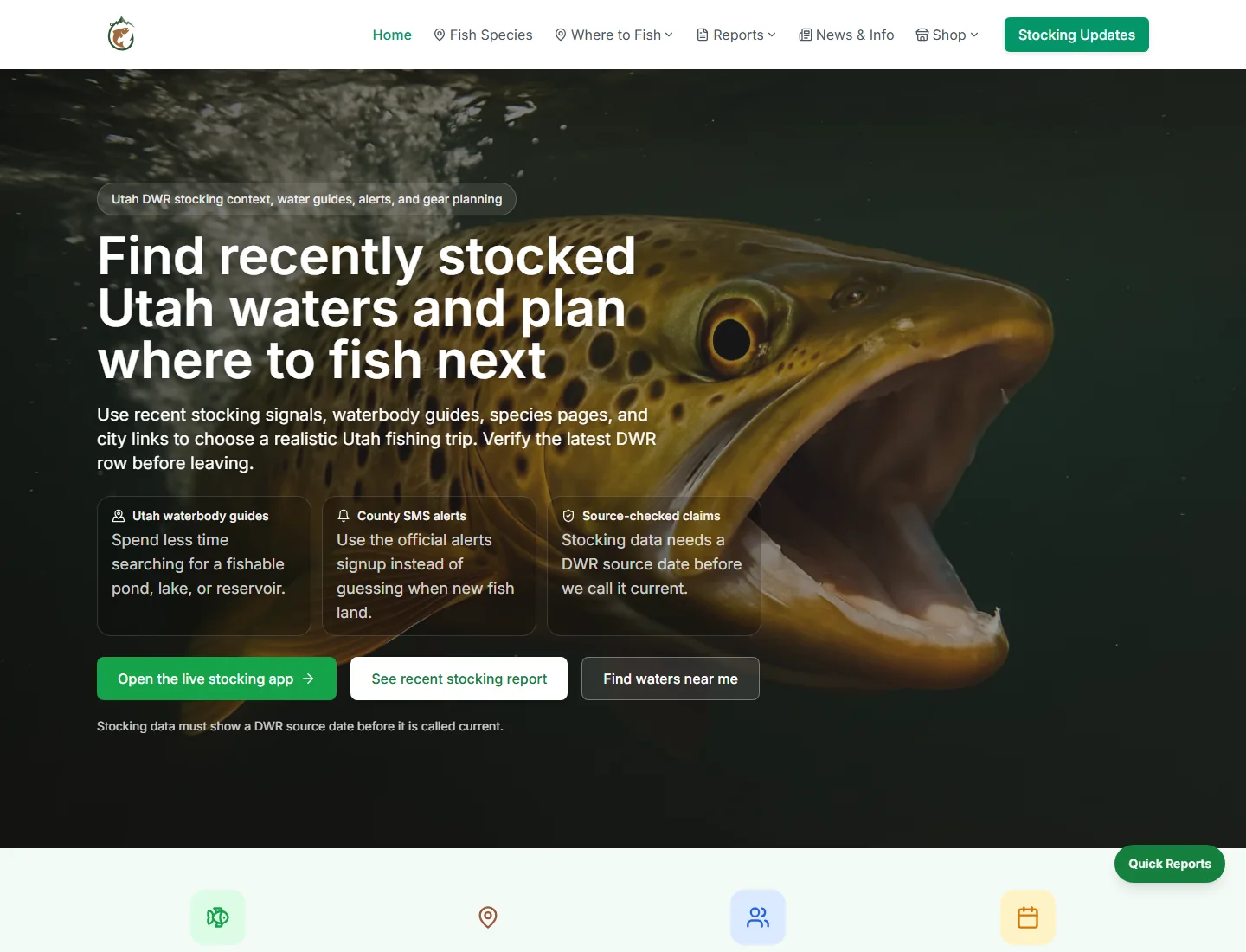
WEBSITE + SEO + DATA TOOLING
A search-led fishing resource built and maintained since 2023. The site turns official stocking data into a live reporting tool, local water guides, species pages, and timely trip-planning content.
Public sitemap snapshot checked August 10, 2026.
Read the project storyFREE PUBLIC BUSINESS TOOL
A focused generator that starts with the business job—open a link, share Wi-Fi, save a contact, add an event, show a menu, or introduce a business—then creates a testable QR code without an account or watermark.
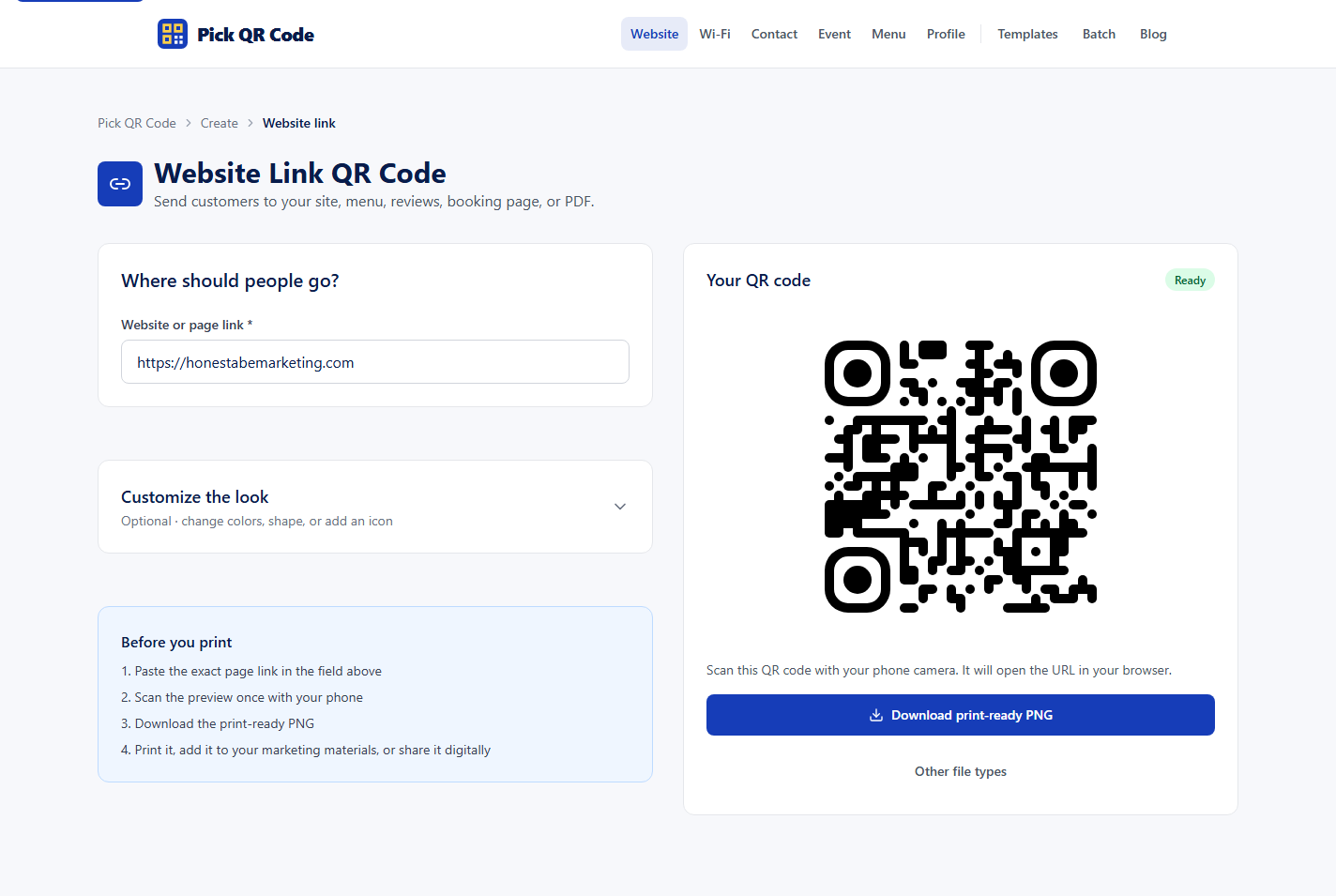
National data products, local business websites, training tools, and AI operations. Each project includes its current status.
The best early opportunities are repeated, reviewable jobs: preparing reports, organizing incoming information, supporting content operations, summarizing source material, and routing the next action.
Name the repeated task, the source evidence, the person responsible, and what a useful result looks like.
Connect rules, data, APIs, and model-assisted steps without hiding how information moves.
Keep source records available and route uncertain or consequential decisions to a person.
Use corrections, failure patterns, and operating feedback to make the workflow more dependable.
More than a decade across digital marketing, affiliate programs, call centers, reporting, websites, and automation shapes how Honest Abe builds today.
That experience is useful when a website needs a search and content plan, a tool needs a distribution path, or an automation has to connect with the people and systems already doing the work.
Bring the current process, the audience it serves, and the result that is still too hard to produce. We will start with the smallest useful build.